Kitchen Utensils Machine: A Designer's Real-World Review
When I first opened the file for Kitchen Utensils Machine, I didn't just see a collection of shapes; I saw a mood. It is that specific blend of whimsical charm and rustic utility that makes people smile when they walk into a boutique or pick up a gift. As someone who has spent years refining designs for everything from high-end corporate apparel to handmade Etsy listings, I know that a successful embroidery project relies on more than just the image itself. It depends on how the design translates from a digital screen to the needle point.
This particular design feels like it was born in a sunlit kitchen, surrounded by flour dust and the clatter of wooden spoons. It brings a personality to fabric that generic patterns simply cannot achieve. But does it hold up under the pressure of real-world stitching? Is it versatile enough for a busy small business owner, or is it too niche for commercial use? Let's dive into what happens when you actually run this file through the hoop.
The First Stitch: Visual Impact and Design Personality
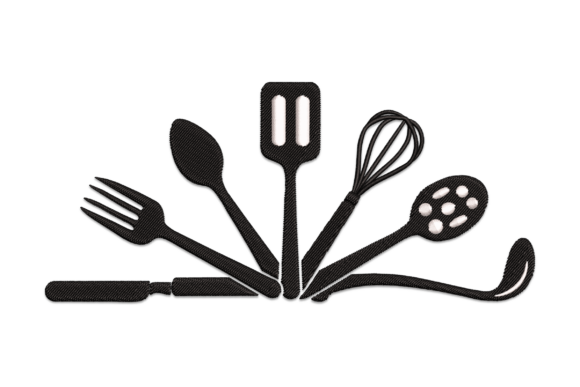
The immediate appeal of Kitchen Utensils Machine lies in its approachable nature. It isn't trying to be a high-fashion statement piece; instead, it aims to be a comforting, familiar accent. The layout likely balances the playful arrangement of tools with enough negative space to prevent the final product from looking cluttered. For an embroiderer, this balance is crucial because it dictates how the eye travels across the finished item.
In terms of stitch types, a design like this typically relies heavily on satin stitch to give those utensil handles and blades a smooth, polished look, while fill stitch might be used for backgrounds or softer elements to add texture. If there are any fine lines or delicate details, we would expect to see running stitch techniques to maintain clarity without overwhelming the fabric. When you look at the preview, the visual weight seems distributed well, suggesting that the stitch density has been considered carefully. This prevents the dreaded "pillowing" effect where the fabric bunches up around the stitches, which is a common complaint with poorly digitized files.
Real-World Application: From Tote Bags to Aprons
Let's imagine a concrete scenario. You are preparing for a local craft fair or launching a new line on your online store. You need a product that screams "handmade with love" but also looks professional enough to command a higher price point. You decide to create a custom embroidered tote bag featuring Kitchen Utensils Machine.
The result is striking. The design fits perfectly on the front panel of a canvas tote, adding a splash of character to an otherwise plain accessory. It transforms a simple utility bag into a conversation starter. However, the versatility doesn't stop there. I have seen similar designs perform exceptionally well on heavy-duty aprons, where the sturdy fabric can support the stitch count without warping. Imagine a chef wearing an apron adorned with this motif; it adds a touch of humor and warmth to their workspace.
Beyond bags and aprons, this design is a powerhouse for home decor. Picture a set of tea towels hanging in a modern farmhouse kitchen. The contrast between the crisp white cotton and the colorful threads of the utensils creates a focal point that elevates the entire room. For baby embroidery, such as a onesie or a burp cloth, the whimsical theme works beautifully, offering a gentle, non-threatening aesthetic that parents love. Even for holiday embroidery, this design could serve as a unique alternative to traditional Christmas motifs, perfect for winter gift exchanges.
Navigating Fabric Challenges and Limitations
While Kitchen Utensils Machine is robust, no single design is a magic bullet for every situation. As a designer, I always advise clients to consider the substrate before committing to production. There are specific scenarios where this design might struggle if not handled with care.
First, consider small hoop sizes. If you attempt to scale this down to fit a tiny patch or a child's hat, you risk losing the integrity of the smaller details. The utensil handles or decorative elements might merge together, creating a muddy appearance rather than a crisp one. Similarly, textured fabrics like thick terry cloth or bouclé can hide the finer points of the stitching. While the design looks great on smooth cotton or denim, rough textures can distort the thread colors and obscure the intended shape.
Stretchy fabrics present another hurdle. If you are working on a lightweight jersey or a stretchy knit for a t-shirt, the tension of the embroidery can cause the garment to pucker. Without the right stabilizer and proper hooping technique, the finished product may look warped even after washing. Dark fabrics also require a strategic approach. Depending on the color palette of the design, you might need a backing layer to ensure the threads pop against the dark background, or you might need to adjust the thread selection to maintain contrast.
Commercial Viability and Brand Consistency
For the Etsy seller or small shop product owner, consistency is key. Using a design like Kitchen Utensils Machine allows you to build a cohesive brand identity. Whether you are selling custom apparel, embroidered patches, or kitchen towel sets, having a signature style helps customers recognize your work instantly. The whimsical yet practical nature of this design suggests a brand that values both aesthetics and function.
However, it is vital to understand the limitations regarding commercial embroidery. Before listing items for sale, you must verify the licensing terms associated with the file. Does the purchase allow you to sell the finished physical goods? Can you use the design in mockups for marketing? These questions are critical for protecting your business. Additionally, when creating printable mockups or digital previews, ensure that the resolution matches the actual stitch output so your customers get an accurate representation of the final product.
Practical Designer Notes for Success
Before you hit the start button on your machine, there are several steps to take to ensure Kitchen Utensils Machine performs flawlessly. First and foremost, always test the design on scrap fabric. This simple step saves time and money by revealing potential issues with thread tension or stabilizer choice before you commit to a customer's order.
Check the stitch density closely. If the design feels too dense for the fabric you are using, consider reducing the density settings or switching to a lighter-weight material. Conversely, if the design looks too sparse, you might need to increase the density or choose a heavier fabric to support the structure. Inspect the small details in the design, especially if you plan to use it for personalized gifts where precision matters. A blurry logo or indistinct utensil handle can ruin the perceived value of a handmade item.
Don't forget to test the design in black and white mockups. Sometimes, a design looks vibrant in color but lacks sufficient contrast in grayscale, which can affect how it appears in promotional materials. Also, compare how the design looks on light versus dark fabric backgrounds. You may need to swap out thread colors or add a different type of stabilizer to achieve the best results on various substrates.
Finally, confirm whether the design includes all necessary formats for your machine. Ensure you have the correct embroidery file extension and that it is compatible with your specific hardware. By following these guidelines, you ensure that your finished product meets the highest standards of quality.
Ultimately, Kitchen Utensils Machine is more than just a pattern; it is a tool for creativity. It offers a reliable foundation for building a range of products that resonate with customers who appreciate the charm of handmade goods. Whether you are decorating a sweatshirt, crafting a baby blanket, or stocking your boutique, this design provides the perfect blend of fun and functionality. With careful planning and attention to detail, it can become a staple in your portfolio of design assets.