Cute Axolotl: A Designer's Review for Craft Fairs
As an experienced embroidery designer who spends weekends setting up booths at craft fairs and managing a handmade shop, I know that the difference between a design that sits in a file and one that actually sells comes down to visual impact and production practicality. When I first encountered Cute Axolotl, my immediate reaction was one of excitement. The title suggests a playful, whimsical vibe that fits perfectly with the current demand for unique Baby Animals themes. This isn't just another generic stitch pattern; it promises to give fabrics a stylish update with a vibrant and imaginative flair.
In this review, I am looking at this machine embroidery design through the lens of a seller preparing for a high-traffic weekend market. I need to know if Cute Axolotl will stop a passerby in their tracks, how it translates from a digital screen to a physical product, and whether it is robust enough for batch production without losing its charm.
The First Impression: Whimsy Meets Marketability
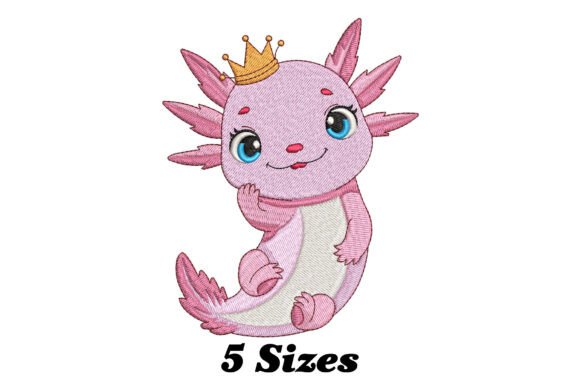
When you look at the description for Cute Axolotl, the language evokes a sense of fun and creativity. For a craft fair booth, atmosphere is everything. You want your products to feel approachable, charming, and distinctively handmade. This design feels soft yet bold enough to be seen from across a crowded aisle. It leans heavily into the "cute" aesthetic, which is a perennial winner for gift buyers looking for something special for children or animal lovers.
The potential for this design lies in its versatility. It does not feel overly rustic or strictly farmhouse, but rather modern and decorative. This allows it to bridge the gap between a boutique clothing store and a general handmade market. Whether you are selling to Etsy shoppers or walking customers, Cute Axolotl offers a focal point that is instantly recognizable as a baby animal character, making it an excellent choice for embroidery file collections targeting parents and pet enthusiasts.
Product Applications: Where Cute Axolotl Shines
At a craft fair, variety is key to maximizing sales. I have evaluated where Cute Axolotl would stand out most effectively on a display table filled with tote bags, aprons, tea towels, patches, caps, small pouches, pillow covers, and giftable handmade items.
- Tote Bag Design: This is perhaps the strongest application. A large, cheerful axolotl on a canvas tote bag creates an instant conversation starter. It transforms a simple utility item into a statement piece. Customers love these as eco-friendly gifts, and the design's clarity will hold up well on standard cotton canvas.
- Apron Embroidery: For the kitchen-focused shopper, this design adds personality to a workhorse garment. It works beautifully on a denim or linen apron, turning a functional item into a charming home decor accent.
- Tea Towel Embroidery: Kitchen textiles are high-margin items. Cute Axolotl looks delightful on a white or cream tea towel, offering a pop of color that complements any kitchen style.
- Embroidered Patch: Creating a patch version of this design allows you to sell it as a standalone accessory or attach it to hats and backpacks. Patches are incredibly popular among younger demographics and are easy to ship.
- Fabric Pouches and Pillow Covers: These smaller items allow you to showcase the design in a more intimate way. A small zippered pouch with the axolotl makes a perfect stocking stuffer or party favor.
For an Etsy seller or small shop product owner, having this design available across multiple categories increases your visibility. It acts as a cohesive brand element that ties your commercial embroidery offerings together.
Production Practicality and Sales Strategy
From a production standpoint, Cute Axolotl appears to be designed for efficiency. To sell at a craft fair, you need to be able to produce items quickly without sacrificing quality. The design seems balanced enough to serve as either a small accent on a hat brim or a large focal design on a tote bag.
Photography is crucial for both online listings and social media promotion. A design like this photographs exceptionally well because of its inherent cuteness. It draws the eye immediately, ensuring your printable mockup images convert browsers into buyers. Furthermore, the repetitive nature of the motif suggests it is repeatable for batch production. If you can hoop a set of ten tote bags and run them through the machine efficiently, your profit margins will improve significantly compared to one-off custom orders.
However, success depends on execution. You must ensure the stitch density is appropriate. If the design is too dense, it may pucker on lighter fabrics. If it is too sparse, it might lack definition when stitched. The goal is to create a finished product that feels premium and professionally constructed, reinforcing your brand consistency.
Careful Use Notes and Potential Pitfalls
While Cute Axolotl has high potential, there are specific areas where attention to detail is required to avoid disappointing results. As a designer, I always advise checking for dense stitch areas before running a full production run. High-density sections can sometimes cause thread breaks or fabric distortion if not stabilized correctly.
You should also consider the texture of your materials. While smooth cotton works well, textured towels or thick fleece might obscure tiny details. If the design includes fine lines or small lettering, test it on the actual fabric you intend to sell. On curved surfaces like caps, the design must be scaled or adjusted to fit the curvature without distorting the image of the axolotl.
Another critical factor is fabric color. Dark fabrics require a different thread strategy and potentially a backing stabilizer to prevent show-through. Ensure you have tested thread colors against dark backgrounds to maintain the vibrancy promised in the product description. Designs that lose clarity at smaller sizes should be reserved for larger items like pillow covers or aprons rather than small accessories.
Essential Designer Notes for Success
Before you start mass-producing Cute Axolotl for your next craft fair, follow these professional steps to ensure quality:
- Test on Scrap Fabric: Always run a test stitch on a scrap piece of your intended fabric to check tension and stability.
- Check Thread Contrast: Verify that the chosen thread colors pop against the fabric background. Good contrast is vital for customer attention.
- Review Spacing: Ensure the design fits within your hoop size without cutting off edges, especially for smaller items like patches.
- Confirm Stabilizer: Use the right stabilizer for your fabric weight. Heavy-duty stabilizers are often needed for tote bags to prevent sagging.
- Create Real Mockups: Do not rely solely on digital renders. Create at least one real mockup to photograph for your digital embroidery file marketing assets.
- Compare Fabric Colors: Test the design on white, black, and neutral tones to see how the design assets perform in different lighting conditions.
- Verify Licensing: Confirm commercial licensing terms before selling finished products. Ensure you have the rights to use the embroidery design for resale.
By following these guidelines, you can turn Cute Axolotl into a best-selling item for your handmade business. It has the potential to elevate your booth display strength and drive buyer engagement through its unique charm. Whether you are a seasoned pro or a creative entrepreneur just starting out, this design offers a fantastic opportunity to add a touch of whimsy to your collection. With careful preparation and attention to detail, Cute Axolotl can become a staple in your lineup of handmade product offerings.