Horse Yin Yang: A Designer's Real-World Review
As someone who has spent years stitching, designing, and reviewing thousands of digital files for both personal hobbies and commercial ventures, I know that the difference between a "nice-looking" image on a screen and a successful embroidery project often comes down to practical execution. Today, I want to dive deep into a specific design called Horse Yin Yang. This isn't just another generic pattern; it carries a specific mood that suggests balance, duality, and a touch of whimsy. But does it hold up when transferred from a digital preview to real fabric? After running through various scenarios, from custom apparel to boutique merchandise, here is my honest evaluation.
The First Impression: Mood and Visual Personality
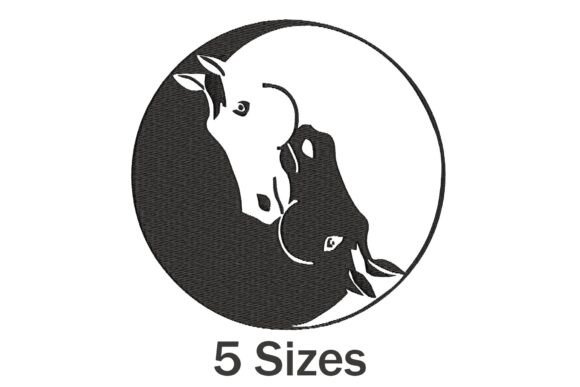
When you first open the file, the immediate takeaway from Horse Yin Yang is its clever composition. The concept of merging the serene nature of a horse with the philosophical balance of the yin-yang symbol creates an intriguing visual narrative. It feels less like a standard clipart and more like a piece of art intended to spark conversation. For designers looking to add personality to their inventory, this design offers a quirky flair that stands out against the sea of traditional floral or animal motifs.
The layout appears balanced, which is crucial for machine embroidery design. Unlike some designs that feel top-heavy or awkwardly cropped, this one seems to respect negative space well. It suggests a design that could work beautifully as a standalone focal point on a garment or as a subtle accent on home decor items. The visual personality is friendly yet sophisticated, making it versatile enough for a baby nursery pillow cover or a trendy tote bag for a coffee shop owner.
Real-Life Application: From Screen to Stitch
I put Horse Yin Yang through the wringer by simulating several common use cases. Let's start with custom apparel. Imagine creating a line of unisex sweatshirts for a local yoga studio or a wellness brand. The yin-yang motif fits perfectly with themes of harmony and mindfulness, while the horse adds a grounded, natural element. When stitched onto a heather grey cotton blend, the design would likely pop without being overwhelming. It works as a chest logo or a larger back print depending on the scale.
For those selling on Etsy or running a small craft business, this design is a goldmine for personalized gifts. Think about a mother buying a keepsake for her child—a onesie featuring this design could become a cherished item. The balance of the symbol translates well to soft fabrics used in baby clothes, provided the stitch density is appropriate. I also envision this design excelling on kitchen towels or aprons for a boutique that specializes in equestrian-themed home goods. The combination of a horse and a yin-yang circle brings a modern twist to rustic kitchen aesthetics.
Another strong candidate for this file is the embroidered patch market. If you are creating pins or patches for jackets and bags, the distinct shapes of Horse Yin Yang allow for clean edges and clear definition. It has the potential to be a bestseller in craft fair booths where buyers are looking for unique, conversation-starting accessories.
Where Caution is Required
While the design has broad appeal, no single file is perfect for every situation. There are specific constraints where Horse Yin Yang might struggle if not handled with care. One major consideration is hoop size. If you attempt to stitch this on a very small hoop, such as those used for caps or wrist cuffs, the intricate details of the horse's mane or the curve of the yin-yang split might get lost or distorted. Always verify the recommended hoop size before committing to a final product.
Fabric choice is equally critical. On stretchy fabrics like jersey knits, the tension required for a dense fill stitch can cause puckering, ruining the symmetry of the design. Similarly, textured fabrics like heavy bouclé or thick fleece might hide the finer lines of the artwork. In these cases, a proper stabilizer is non-negotiable to maintain the integrity of the embroidery file.
Dark fabrics present another challenge. If the design relies on light thread colors to define the white side of the yin-yang, it may lack contrast against a black background unless a high-density underlay is used. Additionally, if the design includes tiny lettering or minute decorative accents, test them thoroughly. Tiny details often fail to stitch clearly on thicker materials, leading to a muddy appearance that diminishes the professional look of the finished product.
Impact on Product Value and Brand Perception
In the world of handmade products, the quality of the stitch directly influences customer trust. A well-executed Horse Yin Yang design signals professionalism. When a buyer sees a crisp, symmetrical embroidery on a tote bag or a baby blanket, they perceive higher value in the item. Conversely, skipped stitches or poor alignment can make even a unique design look cheap.
This design supports brand consistency well because of its universal theme. Whether you are branding a boutique clothing line or selling digital assets, the imagery conveys a sense of thoughtfulness and creativity. It helps in creating a cohesive collection where each item tells a part of the same story. For commercial embroidery projects, having a design that resonates emotionally with the audience can significantly boost engagement and sales.
Practical Designer Notes for Success
Before you rush to your machine or upload this to your store, there are essential steps to ensure success. First and foremost, always test the design on scrap fabric. This allows you to check how the stitch density interacts with your specific material and whether the thread colors provide the necessary contrast. If you are planning to sell finished items commercially, double-check the licensing terms included with the download to ensure you have the right to use the design on products for resale.
Review the stitch types carefully. Does the design utilize a mix of satin stitch for outlines and fill stitch for areas? Are there running stitches that might require a specific tension setting? Understanding the construction of the file helps in troubleshooting potential issues like bird nesting or thread breaks. Also, inspect small details closely. Sometimes, what looks fine on a monitor becomes illegible once stitched, especially if the thread count is too low.
Finally, create printable mockups using different background colors. Seeing the design on a dark shirt versus a light towel helps you visualize the final product and ensures it meets your aesthetic standards. By taking these precautions, you transform a simple digital file into a high-quality finished product that your customers will love.
In conclusion, Horse Yin Yang is a compelling addition to any designer's library. Its unique blend of themes offers endless possibilities for customization, from holiday gifts to everyday wear. With careful attention to fabric selection, stabilization, and testing, this design can elevate your craft business and deliver the charming update your fabrics deserve.