Lucky Horseshoe: A Designer's Review for Craft Fairs
Stepping into the world of craft fairs and handmade markets requires more than just a good eye; it demands a sharp understanding of what sells on the table. As an experienced embroidery designer, I recently reviewed the Lucky Horseshoe design with one goal in mind: preparing a weekend booth display that captures attention immediately. This isn't just about having a pretty image; it is about evaluating whether this piece works as a viable craft fair product that can drive sales for boutique makers and creative entrepreneurs.
First Impressions: Charm Meets Commercial Viability
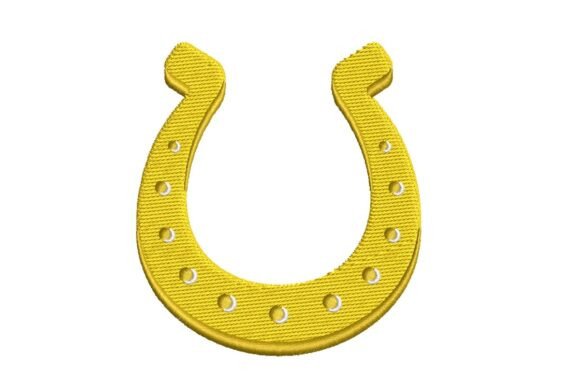
The moment you see the title and description of the Lucky Horseshoe, the vibe is unmistakably positive. The keywords "golden," "luck," "prosperity," and "strength" set a tone that is both rustic and premium. In a crowded marketplace, where customers are often overwhelmed by choices, a design that symbolizes luck has an inherent psychological hook. It feels like a farmhouse favorite with a touch of elegant charm.
For an Etsy seller or a booth owner, the first question is always: does this photograph well? A golden horseshoe implies high contrast and visual interest, which translates beautifully to online listings and social media. It strikes a balance between being cute enough for gifts and sophisticated enough to command a higher price point. Unlike generic clipart, a design described as "beautifully embroidered" suggests texture and depth, which are crucial for selling handmade products at a premium.
Product Potential: Where Lucky Horseshoe Shines
To determine the true value of this embroidery file, we must look at its application across various items. Imagine setting up a table with tote bags, aprons, tea towels, patches, caps, small pouches, pillow covers, and market bags. Where does the Lucky Horseshoe stand out?
- Tote Bags and Market Bags: This is arguably the strongest category for this design. A golden horseshoe on a canvas tote bag acts as a focal point that screams "gift ready." It fits perfectly with the current trend of personalized accessories. Customers love seeing their new bag feature a symbol of good fortune.
- Aprons and Tea Towels: For the kitchen-focused crafter, this design adds a whimsical yet professional touch. On a white or cream tea towel, the gold thread will pop, making it an ideal addition to home decor projects. It elevates a simple utility item into a decorative piece.
- Caps and Patches: If the design includes clean lines, it could work well as an embroidered patch for denim jackets or hats. However, curved cap surfaces require careful testing to ensure the curve of the horseshoe doesn't distort the shape.
- Pillow Covers and Small Pouches: These smaller items allow for batch production. You can create a collection of matching pillows or gift pouches, all featuring the Lucky Horseshoe, creating a cohesive brand look for your booth.
Practical Selling and Production Points
When reviewing a design for commercial use, I look beyond aesthetics to practicality. Is the Lucky Horseshoe easy to understand at a glance? Yes. Does it work as a small accent or a large focal design? The description suggests it is versatile, but the success depends on how you scale it.
For a busy craft fair, repeatability is key. Can you produce ten identical aprons quickly? If the stitch density is manageable, this design is perfect for batch production. It also photographs exceptionally well for printable mockups and digital listings, allowing you to showcase the product before you even cut the fabric. This is a massive advantage for digital sellers who want to list designs or finished goods without holding massive inventory.
Crucial Considerations for High-Quality Results
Even the best machine embroidery design can fail if technical details are overlooked. Here are the specific areas you must evaluate before putting Lucky Horseshoe on a product for sale.
- Stitch Density and Tiny Details: Check the center of the horseshoe. Are there dense stitch areas that might cause puckering on thin fabrics? Conversely, are there tiny details that might get lost if you embroider on a textured towel or thick denim? Always inspect the stitch density to ensure clarity.
- Fabric Texture and Color: Gold thread looks different on black fabric versus white linen. Test the thread colors against your intended fabric texture. Dark fabrics may require a stabilizer underneath to prevent the gold from sinking into the weave, while light fabrics need to be crisp to show off the shine.
- Hoop Size and Spacing: Confirm the recommended hoop size for this design. If you plan to place multiple horseshoes on a large tote bag, review the spacing to ensure they don't crowd each other. Proper spacing ensures a professional finish that buyers expect from a boutique maker.
- Small Lettering and Clarity: If the design includes text, verify that it remains legible at smaller sizes. Tiny lettering can become a blur on a small pouch or a cap brim. Ensure the design retains its integrity when scaled down.
Designer Notes for the Booth Master
Before you rush to print your tags, follow these essential steps to guarantee your finished product meets the highest standards.
First, test the design on scrap fabric. This is non-negotiable. Run a test on the exact material you plan to sell, such as a canvas tote or a linen tea towel. Check for thread breaks, tension issues, and colorfastness. Second, use the right stabilizer. The stability of the fabric during stitching determines the final look; using the wrong stabilizer can ruin the crispness of the golden outline.
Third, create at least one real mockup. Don't rely solely on digital images. Photograph your actual sample under natural lighting to see how the gold reflects light. This photo will become your primary asset for your Etsy listing or Instagram feed. Fourth, compare fabric colors. Sometimes a design looks better on navy blue than black, or vice versa. Experimentation leads to the best-selling variations.
Finally, confirm commercial licensing before selling any commercial embroidery products. Ensure you have the rights to sell finished goods made with this digital embroidery file. Ignoring this step can lead to serious legal issues down the line.
Final Verdict: A Strong Contender for Your Collection
The Lucky Horseshoe design possesses the qualities needed to succeed in today's handmade market. It combines emotional appeal with practical versatility. Whether you are a small shop product creator or a large-scale embroidery business owner, this design offers a strong chance to engage buyers. It stands out on a display table, invites conversation about luck and prosperity, and delivers the quality that customers pay for.
By following the practical advice outlined above—testing on scrap, checking stitch density, and ensuring proper stabilization—you can turn this design into a top-selling item. From tote bag design to apron embroidery, the Lucky Horseshoe is ready to bring a touch of golden luck to your next craft fair booth.