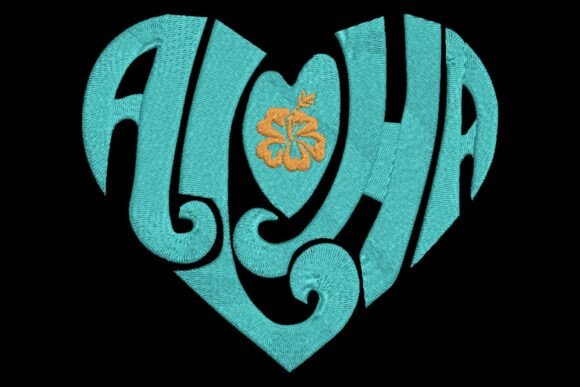
Aloha Heart: A Designer's Real-World Embroidery Review
I have spent years evaluating machine embroidery designs for my own studio and client work, so I approach every new download with a mix of excitement and skepticism. When I first opened the files for Aloha Heart, I didn't just see a pretty graphic; I saw a potential bestseller for a summer boutique or a heartfelt personalized gift. As an experienced designer, my goal isn't just to tell you what it looks like on a screen, but how it behaves when the needle starts moving on real fabric.
The First Impression: Mood and Visual Personality
Aloha Heart immediately strikes me as a design that balances whimsy with structural integrity. The name suggests a tropical vibe, yet the heart motif anchors it in universal affection. From a layout perspective, the design feels open enough to breathe but detailed enough to hold its shape. It creates a mood that is warm, welcoming, and distinctly summery without feeling cluttered. For a small business owner looking to create cohesive branding, this piece offers a visual personality that works well for lifestyle brands, beachwear shops, or anyone selling handmade home goods.
When I imagine this design stitched out, I picture the interplay between the curved lines of the heart and the potential for textural contrast. It doesn't scream for attention; rather, it invites a closer look. This subtlety is crucial for high-end custom apparel where you want the craftsmanship to speak louder than the slogan. It feels like a design that belongs on a soft linen tote bag, a crisp white t-shirt, or a decorative pillow cover that sits on a sun-drenched porch.
Real-World Application: The Custom Tote Bag Scenario
To truly understand the utility of Aloha Heart, let's walk through a specific project scenario. Imagine you are preparing inventory for a local craft fair or launching a new collection on Etsy. You decide to create a custom embroidered tote bag using organic cotton canvas. This is a classic Etsy seller move, but the execution makes or breaks the sale.
If I were stitching Aloha Heart onto a heavy-duty canvas tote, my primary concern would be stitch density. The design needs to sit flush against the fabric without causing puckering. Based on the visual flow, the fill stitches should provide enough coverage to hide the weave of the canvas while maintaining the clean edges of the heart shape. If the density is too high, the fabric might stiffen, making the bag less functional. If it is too low, the threads might gap, ruining the professional look.
Now, consider a different angle: a baby onesie made from 100% cotton jersey. Here, the stretch of the fabric becomes the enemy. Aloha Heart would need to be stabilized perfectly to prevent distortion. The graceful touch mentioned in the product description translates beautifully here, creating a soft, tender aesthetic that parents love for nursery decor or baby gifts. However, if you attempt this on a dark-colored shirt without a proper underlay or a light thread color change, the design could get lost. The success of the finished product relies heavily on your choice of thread colors and the stability of the base material.
Where to Exercise Caution
While Aloha Heart is versatile, no single design is perfect for every surface. As a reviewer, I must point out where this design might struggle. Small hoop sizes can be tricky with intricate curves. If the design includes fine details or tiny lettering, shrinking it down to fit a 4x4 hoop might result in a muddy mess where the individual stitches blur together. Always inspect the small details before committing to a final run.
Textured fabrics present another hurdle. Think about thick fleece, boucle wool, or raw denim. While these materials are popular for sweatshirt embroidery, the uneven surface can cause the needle to skip or the design to shift. Aloha Heart might lose its definition on a highly textured surface unless you use a cutaway stabilizer to support the stitches firmly. Similarly, stretchy fabrics require a flexible stabilizer to ensure the embroidery moves with the garment rather than cracking when the wearer stretches it.
Dense stitch areas are also worth noting. If the design relies heavily on satin stitches for the outline, testing on scrap fabric is non-negotiable. On thin fabrics, dense stitching can create holes or pull the material into an unnatural shape. For commercial projects where durability is key, such as embroidered patches or items that will undergo frequent washing, you must ensure the stitch count supports long-term wear without fraying.
Visual Appeal and Brand Consistency
The impact of a well-executed design goes beyond the immediate visual. When a customer receives a personalized gift or buys a boutique product, they are buying into the quality of the presentation. Aloha Heart, when stitched correctly, elevates the perceived value of the item. It signals that the maker cares about precision and aesthetics. In the world of craft business, consistency is everything. Using a design that maintains clarity across different products—from kitchen towels to aprons—builds trust and reinforces your brand identity.
However, if the design fails due to poor stabilization or wrong thread choices, it damages that trust instantly. A sloppy stitch job can make even the most beautiful design look cheap. Therefore, the decision to use Aloha Heart should be paired with a commitment to testing. Before you mass-produce a line of holiday embroidery items, run a pilot batch. Check the lighting, the angle, and the texture. Does the design pop? Is the color contrast sharp? These questions determine whether your finished product will stand out in a crowded marketplace.
Practical Designer Notes for Success
Before you load your machine, there are several technical steps you must take to ensure Aloha Heart performs as expected. First and foremost, test the design on scrap fabric that matches your final project in weight and texture. This simple step can save hours of frustration and wasted materials. Pay close attention to the stitch density; if the design feels too heavy, you may need to adjust the tension or choose a lighter weight thread.
Confirm your hoop size and ensure your stabilizer is appropriate for the fabric type. For woven fabrics, a tear-away might suffice, but for knits or stretchy materials, a cutaway stabilizer is often necessary to maintain the integrity of the embroidery file. Also, review the design in black and white mockups to check the contrast levels. Sometimes a design looks vibrant in color but lacks definition in grayscale, which can affect how it reads on monochromatic garments.
If you are planning to sell finished items, double-check the licensing terms. Many digital products come with restrictions on commercial use. Ensure you have the right to sell the physical goods created with Aloha Heart. Additionally, verify the file formats and compatibility with your specific embroidery machine. While the design promises a tropical feel, the technical execution determines whether that feeling translates to the customer's hands.
In conclusion, Aloha Heart is a strong candidate for any designer looking to add a touch of warmth and charm to their portfolio. Whether you are creating summer collections, personalizing gifts, or building a line of home décor, this design offers a solid foundation. By approaching it with the caution of a seasoned pro—testing thoroughly, choosing the right materials, and respecting the limitations of the fabric—you can transform a simple digital file into a cherished handmade product that customers will love.