Vintage Limited Edition Embroidery Review
I have spent years stitching, designing, and reviewing digital assets for everything from boutique apparel to high-end home decor. When a new file lands on my desk, I don't just look at the preview image; I immediately start imagining the thread tension, the fabric texture, and the final customer reaction. Today, I am evaluating the Vintage Limited Edition design, a playful piece that claims to fit a wide array of products ranging from clothing to kitchen linens. As an experienced designer, my goal is to tell you exactly how this design performs in real-world scenarios before you commit it to your next commercial project or handmade gift.
The First Impression: Mood and Personality
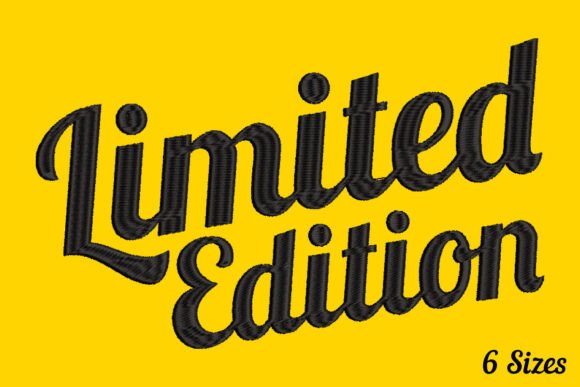
At first glance, Vintage Limited Edition exudes a specific kind of nostalgia mixed with modern whimsy. The cartoonish appeal mentioned in the product description is not just a stylistic choice; it dictates how the design will interact with different fabrics. It feels approachable and fun, which makes it a strong candidate for baby items, tote bags, and casual wear. However, "vintage" can sometimes imply intricate details that are risky for machine embroidery if the stitch density isn't managed well.
The layout suggests a balanced composition that works well as a focal point on a sweatshirt chest or centered on a tea towel. Unlike dense, complex patterns that require professional-grade stabilizers and multiple hooping sessions, this design seems to lean towards a cleaner aesthetic. This is crucial for small business owners who need efficient production times without sacrificing quality. The visual personality here is confident but friendly, perfect for brands looking to establish a warm, handmade connection with their audience.
Real-World Application: From Tote Bag to Nursery Wall Art
Let's imagine a practical scenario. You are preparing a custom order for a local boutique that sells eco-friendly goods. They need a matching set for a holiday collection: embroidered tote bags, kitchen towels, and perhaps some pillow covers. This is where Vintage Limited Edition shines. Its versatility allows it to transition seamlessly from the canvas of a heavy-duty tote bag to the softer weave of a cotton pillowcase.
For the tote bag design, the cartoonish elements would pop beautifully against natural jute or canvas backgrounds. The design likely handles the slight texture of these materials well, provided you use the correct stabilizer to prevent puckering. Moving to the kitchen towel, the same design could serve as a charming accent near the hem, adding a touch of personality to a functional item. In a nursery setting, using this design on a pillow cover or a wall hanging brings a sense of playfulness that parents appreciate. It feels like a personalized gift that has been thoughtfully curated rather than mass-produced.
I also see potential in custom apparel like sweatshirts. A sweatshirt embroidery project often benefits from designs that aren't too heavy, ensuring the garment remains comfortable to wear. The Vintage Limited Edition file appears to strike that balance. If you are an Etsy seller or running a craft business, this design offers a versatile asset that can be marketed across multiple categories—clothing, home goods, and accessories—maximizing your return on investment for a single purchase.
Where Caution Is Required
Despite its strengths, no design is universal. There are specific situations where Vintage Limited Edition might struggle if not handled with care. For instance, attempting to stitch this on a curved surface like a baseball cap requires precise digitizing skills. If the design relies heavily on straight lines or tight corners, they may distort when stretched over the curve of a hat.
Similarly, if you are working with thin or stretchy fabrics, such as lightweight t-shirts or jersey knits, you must ensure your stabilizer choice is robust enough to support the stitch density. While the design looks playful, if the fill stitches are too dense, it could create a stiff, uncomfortable feel on the fabric. I also advise caution with very small hoop sizes. If the design contains fine details or tiny lettering, shrinking it down for a patch or a small accessory might result in lost definition during the stitching process.
Dense stitch areas can sometimes cause issues on dark fabrics if the underlay isn't sufficient, leading to a muddy appearance. Furthermore, for products that undergo frequent washing, like tea towels or napkins, you should verify that the design does not rely on loose threads that could snag easily. Always test the durability of the finish before listing a commercial embroidery item for sale.
Visual Appeal and Brand Value
In the world of handmade products, presentation is everything. A well-executed embroidery project builds trust with the buyer. Vintage Limited Edition, with its distinct character, can elevate the perceived value of a finished product. When customers see a clean, crisp stitch job on a makeup bag or a wall art piece, they associate that quality with the brand behind it.
This design helps maintain brand consistency because its style is cohesive enough to appear across various items. Whether it is a holiday gift or a boutique product, the playful theme unifies the collection. However, the success of this visual appeal depends entirely on execution. Poor thread color contrast or incorrect hoop size selection can ruin even the best design. Ensure that your thread colors complement the vintage vibe without clashing with the fabric background.
Practical Notes for Designers
Before you load this file into your machine, there are several steps every professional takes to ensure a flawless outcome. First, always test the design on scrap fabric that matches your final material. This reveals how the running stitch, satin stitch, and fill stitch behave together on that specific texture.
Check the thread color contrast carefully. Sometimes a design looks great in a digital mockup but loses impact when stitched in specific colors. Review the stitch density to ensure it isn't too heavy for the intended fabric. Confirm your hoop size aligns with the design dimensions to avoid unnecessary trimming or re-hooping. Inspect small details closely; if the design includes tiny text or intricate curves, make sure they remain legible after stitching.
It is also wise to test the design in black and white mockups to understand the shape and flow without the distraction of color. Compare how it looks on both light and dark fabric backgrounds to determine if you need an underlay or a top-stitch variation. Use proper stabilizer based on the weight of the fabric—cut-away for stable garments and tear-away for lighter projects where possible.
Finally, confirm whether the license allows for commercial use. Many digital embroidery files come with restrictions on selling finished items. If you are a small shop product creator, you need to know if you can sell unlimited quantities or if there are caps on production. Check the file formats to ensure compatibility with your embroidery machine software. Do not assume the design works for all applications without verifying the technical specifications provided by the creator.
By following these guidelines, you can transform the Vintage Limited Edition design into a standout feature of your finished product. Whether you are creating a unique embroidered patch or a line of home decor items, thoughtful preparation ensures that the playful charm of this design translates perfectly from screen to fabric.