Teddy Bear Nursery Embroidery Bundle Review
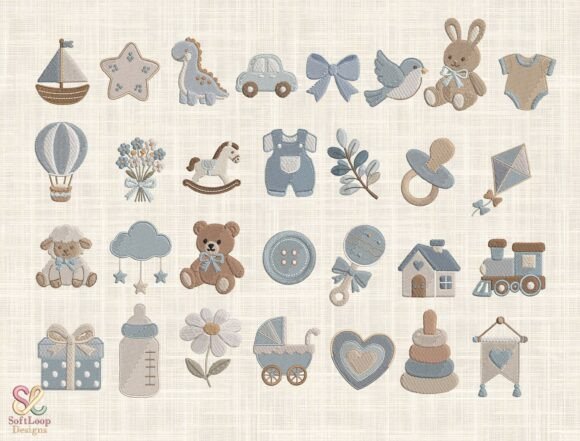
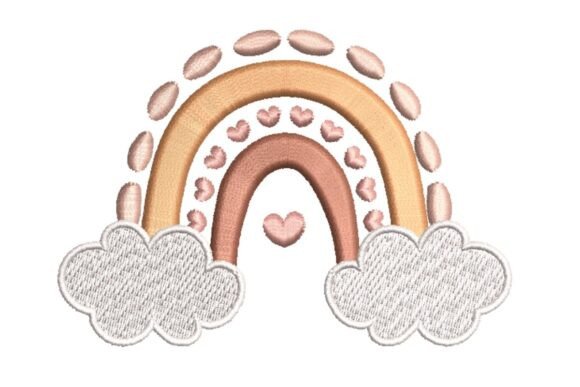
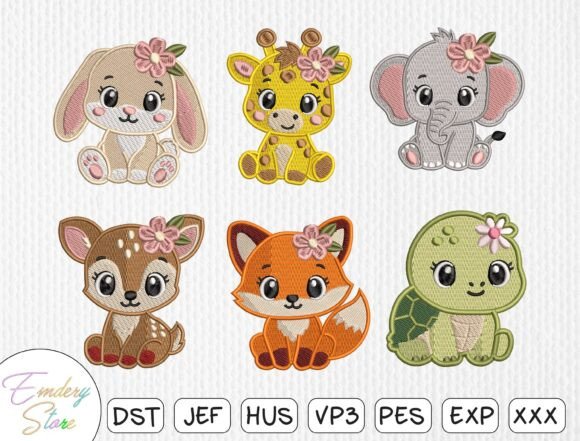
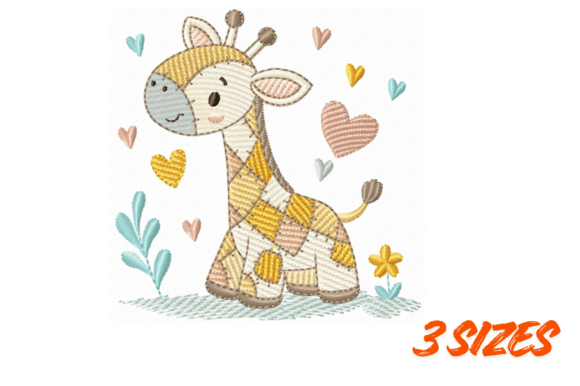
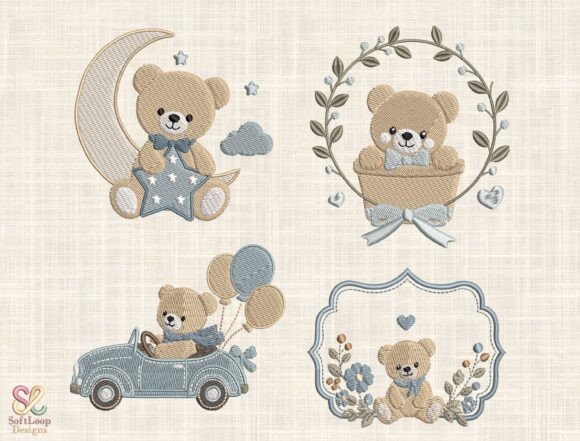
When I first opened the files for the Teddy Bear Nursery Embroidery Bundle, I wasn't just looking at a collection of images; I was visualizing a finished product on a shelf. As someone who has spent years digitizing and stitching for both personal joy and commercial clients, my first impression is crucial. This bundle doesn't scream for attention with flashy colors or complex geometry. Instead, it whispers. It creates a mood of soft dreams and gentle adventure, perfectly suited for the delicate nature of nursery decor and baby gifts. The four scenes included offer a charming variety that feels cohesive without being repetitive, making it a versatile asset for any creative entrepreneur.
The First Stitch: Visual Personality and Mood
The design language here is distinctly warm. The shapes are rounded, avoiding sharp angles that might feel too harsh for a baby's room or a toddler's outfit. When you look at the layout, the composition balances negative space with enough detail to hold interest. It relies heavily on satin stitch for those smooth, glossy outlines that define the teddy bears and their accessories, while fill stitches provide a plush texture that mimics the fabric of a real stuffed animal. There is also a touch of running stitch likely used for finer details like whiskers or seams, adding a handcrafted feel that digital prints often lack.
For an Etsy seller or boutique owner, this visual personality translates directly into marketability. Customers buying items in the nursery category are looking for comfort and safety, both physically and emotionally. A design that feels "soft" visually reassures them before they even touch the item. The inclusion of elements like cars and balloons suggests movement and playfulness, elevating the design from a static image to a story about childhood exploration. It is a machine embroidery design that understands its audience.
Real-World Application: From Digital File to Finished Product
Let's talk about how this actually performs when pulled through the hoop. Imagine I am preparing a custom order for a client who wants a personalized sweatshirt for a new parent. I load the Teddy Bear Nursery Embroidery Bundle file onto my machine. The density seems appropriate for a mid-weight cotton blend fabric. If I were to stitch this on a dark navy sweatshirt, the contrast would be striking, provided I choose high-quality thread colors that pop against the background. However, if I were aiming for a pastel aesthetic, I would need to ensure the underlay is sufficient so the top layers don't sink into the fabric.
I also considered using this for a tote bag design. Tote bags are a staple for craft fair products and small shop merchandise because they are practical yet highly visible. Stitching one of these scenes on a canvas tote creates a durable, washable gift that parents will actually use. The design scales well enough that it won't get lost on a large bag, nor will it overwhelm a smaller patch. For a custom apparel project like a onesie, the size of the scene matters immensely. You want enough room around the edges so the stitching doesn't pull the knit fabric, which can lead to puckering.
Another scenario involves creating a set of matching pillow covers or kitchen towels for a holiday gift. The versatility of the four scenes allows you to mix and match, perhaps placing a car-themed bear on a towel and a balloon-themed bear on a pillowcase. This variety adds perceived value to the final product. When a buyer sees a coordinated set, they perceive the brand as thoughtful and professional. This is where a digital embroidery file shines; it offers consistency across multiple items, ensuring every handmade product looks identical in quality.
Navigating Technical Challenges and Limitations
While the design is charming, no embroidery project is without its challenges. I have to be honest about where this design requires careful handling. If you plan to use this on a curved surface like a cap or a hat, you must be mindful of the stitch direction. Curved surfaces distort designs, and dense areas of stitch density can cause the fabric to pucker significantly if not stabilized correctly. For a cap, I would recommend testing on a scrap piece of the same material first to see how the curve affects the shape of the bear's head.
Textured fabrics present another hurdle. While the softness of the design pairs well with fleece or velour, the texture of the fabric itself can obscure fine details. If the fabric is too thick, the needle might struggle to penetrate, leading to skipped stitches. Conversely, thin or stretchy fabrics require a heavy-duty stabilizer to prevent the design from collapsing into the weave. Dark fabrics are generally safe bets for this type of design, but light fabrics demand a careful selection of thread colors to ensure the design stands out without looking muddy.
There are also limitations regarding small details. If you attempt to stitch this in a very small hoop size, such as for a wrist cuff or a tiny pocket, the intricate parts of the scene might become indistinguishable. Tiny lettering, if present, or minute decorative accents could disappear entirely. In these cases, the design loses its impact. Similarly, for products that need frequent washing, like baby clothes or aprons, the longevity of the stitches depends heavily on the initial tension and the quality of the stabilizer used during production.
Impact on Brand Value and Customer Trust
In the world of craft business, the difference between a amateur-looking item and a professional one often comes down to execution. A clean, well-executed embroidery file signals competence. When a customer receives a personalized gift with crisp lines and no loose threads, their trust in your brand increases immediately. They are more likely to leave a positive review, share the item on social media, and return for future purchases. The Teddy Bear Nursery Embroidery Bundle supports this by offering a design that is inherently pleasing and easy to execute cleanly.
Furthermore, the design's theme aligns perfectly with current trends in commercial embroidery. Parents are increasingly seeking unique, handmade alternatives to mass-produced items. By using this bundle, you are tapping into a desire for emotional connection. Whether it is a wedding gift, a baby shower favor, or a boutique stocking stuffer, the design carries a narrative that resonates. It transforms a simple piece of cloth into a keepsake.
Essential Designer Notes Before You Start
Before you rush to start your next small shop product, there are a few critical steps to take. First and foremost, test the design on scrap fabric. Do not assume the settings work for every machine or fabric combination. Check the thread color contrast by comparing different thread palettes against your intended background. A design that looks great in a black-and-white mockup might lose definition in color, so inspect your printable mockup carefully.
Review the stitch density within the software. If the fill areas are too dense, you risk creating a stiff, board-like texture that feels cheap on a baby garment. Confirm the recommended hoop size and ensure your machine can handle the dimensions without cutting off important details. Always use proper stabilizer; for knits, a cut-away stabilizer is usually best to maintain stability over time. Finally, verify the licensing terms. If you intend to sell finished items, confirm that the embroidery design allows for commercial use. Some bundles restrict the number of items you can produce or prohibit selling digital copies of the file itself.
By approaching the Teddy Bear Nursery Embroidery Bundle with this level of scrutiny and preparation, you ensure that the final result is not just a pretty picture, but a high-quality, market-ready product. It is a tool that, when used correctly, can elevate your portfolio and satisfy your customers' desire for something truly special.