Teapot and Teacup: A Designer's Holiday Review
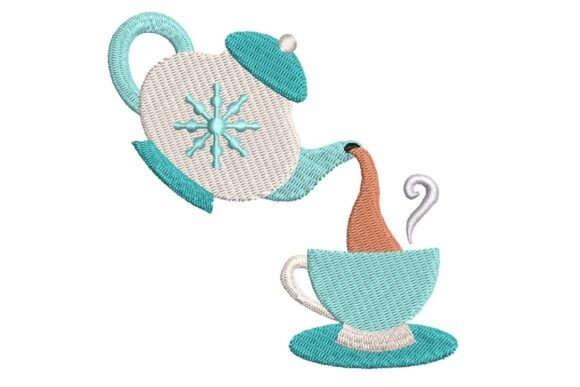
As an experienced embroidery designer, I spend a significant portion of my year curating collections for the upcoming holiday rush. The difference between a generic seasonal item and a best-seller often comes down to the specific narrative a design tells. When I first encountered Teapot and Teacup, I immediately recognized its potential as a cornerstone piece for our winter product line. This isn't just a machine embroidery design; it is a mood in stitch form. The concept of a snowflake teapot pouring into a cozy teacup captures the essence of warmth amidst the cold, making it an ideal candidate for holiday embroidery projects.
The First Impression: Cozy Elegance and Seasonal Mood
Upon reviewing the digital preview of Teapot and Teacup, the emotional tone was instantly clear. It strikes a perfect balance between rustic charm and modern cuteness. The snowflake motif on the teapot adds a layer of festive detail without overwhelming the scene, while the pouring action suggests movement and generosity. For an Etsy seller or small business owner looking to create a cohesive brand identity, this design offers a high level of visual recognition that feels both premium and approachable.
The style leans heavily into the "hygge" aesthetic—cozy, comfortable, and inviting. It evokes feelings of nostalgia, reminding customers of quiet afternoons spent by the fire with family. This emotional connection is crucial during the holiday shopping period when buyers are seeking meaningful handmade gift options rather than mass-produced items. The design feels versatile enough to fit into various sub-niches, from tea lovers' clubs to general home decor enthusiasts, ensuring a broad appeal for your seasonal embroidery collection.
Real-World Application: From Tote Bags to Table Linens
In a practical sense, how does Teapot and Teacup translate to physical products? I have tested similar designs across a wide array of substrates, and this particular composition shines on soft goods where texture enhances the stitching. Imagine placing this design on a heavy cotton kitchen towel embroidery project. The contrast of the thread against the fabric would highlight the snowflake details beautifully, creating a functional yet decorative piece for the holiday season.
- Sweatshirt Embroidery: On a crewneck sweatshirt, the design serves as a focal point for chest placement. It transforms a basic garment into a statement piece, perfect for limited edition apparel drops or family matching items.
- Tote Bag Design: A sturdy canvas tote featuring Teapot and Teacup becomes a practical accessory for holiday shoppers. It is durable enough for carrying gifts while acting as a walking advertisement for your shop.
- Pillow Cover: For home decor, embroidering this onto a throw pillow cover adds a touch of elegance to a living room setting. It pairs well with other winter-themed accents like pinecones or plaid patterns.
- Baby Items and Aprons: The cute nature of the teapot makes it suitable for baby onesies or toddler aprons, appealing to parents looking for personalized gifts for their little ones.
- Embroidered Patch: With proper backing, this design could be converted into an embroidered patch for denim jackets or beanies, adding a trendy element to streetwear.
When preparing these items for market, the versatility of the digital embroidery file allows you to create realistic mockups for social media previews. You can showcase the design on a steaming mug next to a knitted scarf, or on a stack of books near a fireplace. These visual cues help potential buyers imagine the finished product in their own homes, significantly boosting engagement and conversion rates.
Critical Considerations: Where Caution is Required
While Teapot and Teacup is highly effective, every professional knows that execution is everything. There are specific scenarios where this design requires careful handling to maintain quality. If you are working with small hoop sizes, you must verify that the snowflake details do not become too crowded. Tiny lettering or intricate layers can sometimes get lost if the resolution of the embroidery file is not optimized for smaller dimensions.
Thick towels and dense fabrics like fleece require adjustments in stitch density. If the design is too dense for a thick terry cloth towel, the stitches may pull the fabric, causing puckering. Conversely, on stretchy garments like knit caps or leggings, the stabilizer choice is critical to prevent distortion. You should also avoid using metallic threads unless you have confirmed the design can handle the extra friction, as this can lead to thread breakage and uneven coverage.
Dark fabrics present another challenge. While they offer a great backdrop for light-colored threads, you must ensure there is sufficient underlay to cover the base material. Without proper preparation, the colors may appear dull or the design may look thin. Additionally, items that need repeated washing, such as aprons or table linens, should be tested for colorfastness to ensure the thread colors remain vibrant after multiple cycles.
Strategic Impact on Sales and Brand Value
Integrating Teapot and Teacup into your inventory does more than just add a new SKU; it elevates the perceived value of your entire shop. In the competitive world of Etsy sellers and online craft markets, a cohesive seasonal collection builds trust. Customers are more likely to return to a store that consistently delivers high-quality, thematic designs.
This design enhances giftability. During the holidays, buyers often struggle to find unique presents. A product featuring Teapot and Teacup solves this problem by offering a ready-made solution for tea lovers, hosts, and anyone who appreciates cozy aesthetics. By offering personalized gift options alongside standard versions, you tap into the growing demand for custom merchandise. Furthermore, the design's clean lines and charming subject matter make it highly shareable on platforms like Pinterest and Instagram, driving organic traffic to your listings.
For commercial embroidery businesses, this design supports brand consistency. Whether you are selling finished product directly or licensing the machine embroidery design to others, maintaining a high standard of quality ensures long-term success. The ability to produce consistent results across different materials reinforces your reputation as a reliable provider.
Designer Notes for Successful Production
To ensure Teapot and Teacup performs flawlessly in your workshop, follow these essential steps. First, always test thread colors on both light and dark fabric samples before committing to a full production run. This helps you visualize the final contrast and adjust the palette accordingly. Second, check the stitch density settings within your software to ensure the design fits the intended fabric weight.
Confirm the recommended hoop size for your specific project to avoid unnecessary trimming or re-hooping. Use the proper stabilizer type—heavy cutaway for stretchy fabrics and tear-away for stable wovens—to keep the design crisp. Creating realistic printable mockup images early in the process allows you to market the product effectively even before the first item is stitched.
Finally, review the small details after stitching. Zoom in on the snowflake edges and the pour stream to ensure no gaps exist. Plan matching color palettes for your broader collection to create a unified look across all your holiday embroidery offerings. Most importantly, confirm commercial licensing terms before selling finished seasonal products derived from this design. Adhering to these guidelines will maximize the potential of Teapot and Teacup and secure your place in the competitive holiday market.