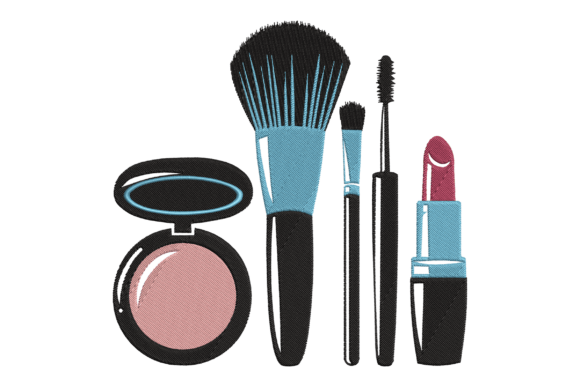
Makeup Products: A Designer's Review for Small Business Merch
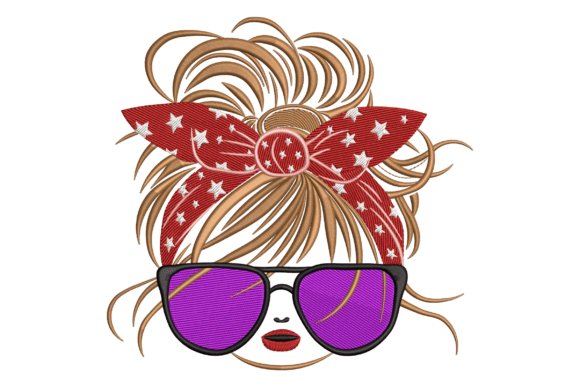
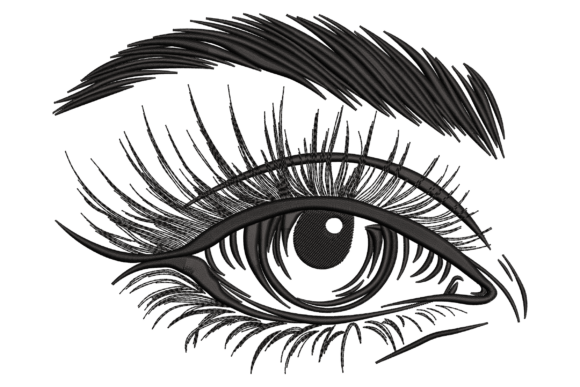
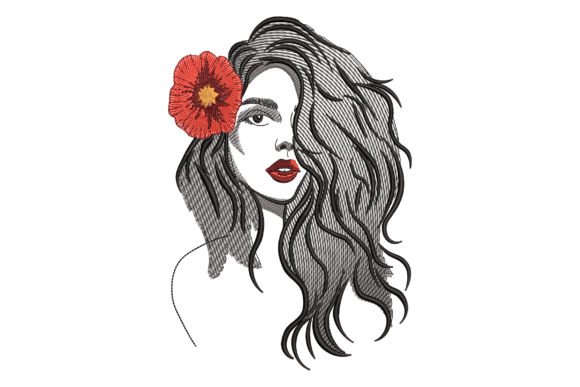
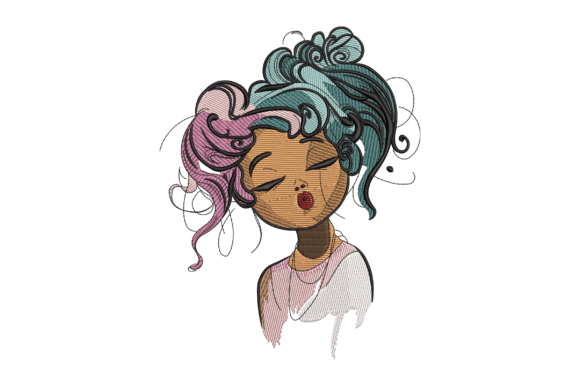
As an experienced embroidery designer who has spent years refining the look and feel of branded merchandise, I approach every new design file with a critical eye. When I first encountered Makeup Products, my immediate thought wasn't just about how it would look on a t-shirt, but how it would function as a tangible asset for a growing brand. The product description promises a "charming update" with "fun and quirky flair," which immediately signals that this is not a sterile corporate logo. Instead, it suggests a personality-driven aesthetic perfect for boutique owners, handmade brands, and creative studios looking to stand out.
In the world of machine embroidery design, the difference between a decoration and a brand asset often comes down to versatility and durability. This review focuses on how Makeup Products performs when applied to real-world business scenarios, from embroidered patches for staff uniforms to accent details on tote bags and aprons. Whether you are an Etsy seller or a local café owner, understanding the nuances of this embroidery file is crucial before you commit to a production run.
First Impressions: Personality and Brand Fit
The title Makeup Products combined with the promise of "quirky flair" suggests a design that leans towards the playful yet professional side of the beauty industry. In my experience, designs in the Beauty category can sometimes feel overly delicate or too intricate for mass production. However, if this design delivers on its promise of adding character without sacrificing clarity, it could be a game-changer for small business merch.
For a small business, visual consistency is key. Does Makeup Products feel like a premium addition to your packaging? Does it scream "handmade product" or does it look like a generic clip-art? Based on the description, this design seems tailored for businesses that want to convey warmth and approachability. It fits perfectly for a florist wanting to add a whimsical touch to their delivery bags, a bakery branding their baker's hats, or a pet brand creating custom collars. The "delightful" nature of the design implies it will resonate well with customers who value a personal touch over rigid corporate standards.
Real-World Application: From Patches to Aprons
Let's imagine a scenario where a local boutique wants to launch a line of branded merchandise. They need a central motif for their staff aprons, a subtle chest logo for their work shirts, and perhaps a detachable patch for their caps. How does Makeup Products fit into this ecosystem?
- Embroidered Patches: If the design has clean outlines and sufficient spacing, it could work beautifully as a sew-on or iron-on patch. These patches serve as excellent brand identity markers on jackets, backpacks, and tote bag designs. A well-executed patch adds a layer of perceived value to the finished product.
- Apron Embroidery: For cafes, bakeries, or salons, the front bib of an apron is prime real estate. A design with "quirky flair" here can break up the monotony of solid colors and make staff uniforms feel more cohesive and fun.
- Cap Embroidery: Caps are a staple of small business merch. If the design scales well, it can sit perfectly on the front panel of a cap, offering high visibility during events or market days.
- Tote Bag Design: Tote bags are walking advertisements. Using Makeup Products on these items creates a memorable customer gift or a practical accessory that keeps your brand top-of-mind.
The versatility extends to event merch and craft business assets as well. Imagine handing out branded towels at a workshop or adding the design to product packaging accents. The ability to use this digital embroidery file across multiple mediums increases the return on investment for your design purchase.
Critical Considerations and Limitations
While the potential is exciting, a professional designer must also identify where caution is required. Not every design works on every surface. Here are the specific areas where Makeup Products might face challenges:
Small Patch Sizes: If you plan to create miniature patches for keychains or small garment labels, you must ensure the stitch density isn't too high. Intricate details can blur together when reduced in size, losing the "charming" effect entirely. Always test the design at the intended final size before ordering bulk patches.
Curved Surfaces: Embroidering on cap fronts or rounded tote bags requires specific hoop sizes and stabilizer techniques. If the design has large blocks of stitching, it may pucker on curved surfaces unless proper tensioning is used.
Fabric Texture and Color: Dark uniforms or heavily textured fabrics (like thick denim or fleece) can obscure fine details. If the design relies on thin lines or light thread colors, it might get lost against dark backgrounds. You may need to adjust thread colors or add a backing layer to ensure the design pops.
High Stitch Density: Designs with dense fills can become stiff and uncomfortable on clothing. For items that require frequent washing, such as work shirts or kitchen aprons, excessive density can lead to fabric distortion over time. Check the file specifications to ensure the stitch count is appropriate for the intended garment weight.
Impact on Brand Identity and Customer Trust
Every stitch tells a story. When a customer sees a high-quality embroidered logo on a product, it subconsciously communicates professionalism and attention to detail. Makeup Products, with its emphasis on charm and fun, can significantly enhance buyer engagement by making your brand feel accessible and human.
However, quality control is paramount. A poorly executed embroidery job can damage brand reputation faster than a bad product. If the thread colors clash or the stitch density causes puckering, the "handmade product" vibe turns into a cheap-looking knock-off. By carefully vetting this design for commercial embroidery projects, you ensure that your brand identity remains consistent and trustworthy.
Designer's Notes: Pre-Production Checklist
Before you hit the "start" button on your machine, follow these essential steps to guarantee success with Makeup Products:
- Test in Black and White: Convert the design to a monochrome view first. This helps you see if the layout holds up without relying on color contrast.
- Check Scale: Create a printable mockup to visualize the design at different sizes. Ensure it looks good on a small chest logo as well as a large tote bag.
- Review Thread Colors: Compare the suggested thread palette against your actual inventory. High contrast is usually best for readability.
- Inspect Spacing: Look closely at the gaps between elements. Tight spacing can cause thread breaks or fabric bunching.
- Confirm Hoop Size: Verify that the design dimensions fit within your standard hoop sizes to avoid re-hooping issues.
- Test on Real Fabric: Never embroider directly onto the final product without a test run. Use scrap fabric of the same type to check for puckering and stability.
- Use Proper Stabilizer: Depending on the fabric texture, you may need cut-away or tear-away stabilizers to support the stitches.
- Verify Licensing: Confirm commercial licensing terms before using the design on products for sale. Some files are for personal use only.
By following these guidelines, you can transform Makeup Products from a simple digital file into a powerful tool for your business. Whether you are creating custom apparel, branded patches, or unique accessories, this design offers a delightful way to elevate your brand presence.
Remember, the goal is to create a finished product that reflects the quality of your business. Take the time to evaluate the design thoroughly, compare it beside other design assets, and ensure it aligns with your brand's voice. With careful planning and execution, Makeup Products can become a signature element of your small business merch lineup, delighting customers and building lasting recognition.