Bluebell Bloom: A Designer's Review for Personalized Gifts
As an experienced embroidery designer, I spend a significant amount of time testing new digital files before recommending them to my clients. Recently, I received the Bluebell Bloom design to evaluate for our upcoming spring collection. This delicate bluebell wildflower embroidery design with soft purple petals is marketed as perfect for spring projects, garden themes, or nature-inspired decor. But does it truly deliver on that promise when translated into a tangible, personalized gift? After running several tests and simulating real-world customer orders, I have gathered my thoughts on how this machine embroidery design fits into the world of handmade products.
The First Impression: Charm and Emotional Appeal
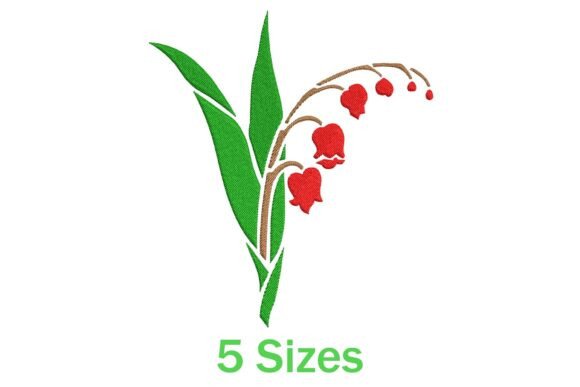
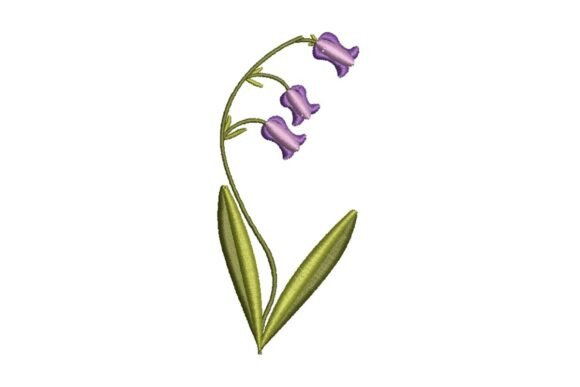
When you first open the file for Bluebell Bloom, the immediate feeling is one of gentle elegance. Unlike bold, graphic florals that scream for attention, this design whispers. It captures the essence of a quiet garden morning, featuring soft purple petals that seem to sway in a light breeze. For a shop owner or Etsy seller looking to create items with emotional resonance, this mood is invaluable. It feels sweet yet sophisticated, making it an excellent choice for baby products, wedding keepsakes, or nursery decor.
The detail level is impressive without being overwhelming. The stitches are arranged to mimic the natural droop of a bluebell, creating a sense of movement within the static fabric. This attention to botanical accuracy adds a layer of perceived value to any finished product. Whether you are crafting a custom tote bag or a delicate pillow cover, the design elevates the item from a simple craft project to a piece of art. It strikes a balance between playful and classic, ensuring it appeals to a wide range of customers who appreciate nature-inspired aesthetics.
Perfect Applications for Personalized Gifts
I have been brainstorming specific use cases where Bluebell Bloom would shine as a centerpiece for a personalized gift. The versatility of this single flower design makes it adaptable to numerous categories. For instance, imagine a baby blanket embroidered with this motif. The soft purple tones would complement pastel bedding perfectly, creating a soothing atmosphere for a nursery. Parents often seek items that feel heirloom-quality, and the refined look of this embroidery file suggests exactly that.
Beyond baby items, consider its potential for wedding gifts. A set of kitchen towels featuring Bluebell Bloom could serve as a romantic housewarming present. The floral theme aligns beautifully with spring weddings, adding a touch of seasonal charm to the couple's new home. Similarly, for apron makers or tote bag creators, this design offers a unique selling point. It transforms a utilitarian item into a fashion statement. When listing these as small shop products on platforms like Etsy, the visual appeal of the bluebell can significantly boost buyer engagement.
The design also works exceptionally well for family keepsakes. A pillow cover embroidered with this flower can become a cherished memory for a grandmother or a special anniversary gift. Because the design is a single flower, it allows for creative layout options, such as clustering multiple blooms or placing the design centrally on a garment. This flexibility is crucial for custom order previews, allowing sellers to show clients exactly how their final product will look before production begins.
Strategic Considerations and Fabric Limitations
While Bluebell Bloom is a beautiful addition to any library, there are specific scenarios where caution is required. As a designer, I must advise against using this file on fabrics with heavy textures or thick loops, such as chunky terry cloth towels. The delicate details of the soft purple petals may get lost in the weave, resulting in a muddy appearance. Similarly, applying this design to stretchy baby clothes requires careful stabilizer selection; if the fabric distorts during stitching, the intricate petal shapes could lose their definition.
Dark fabrics present another challenge. Unless you are using high-contrast thread colors, the subtle shading of the bluebells might not pop enough to be visible. In these cases, a lighter background fabric is recommended to showcase the true beauty of the design. Additionally, curved surfaces like rounded hat panels or fitted clothing require precise digitizing adjustments. If the stitch density is too high, the design may pucker on tight curves, ruining the smooth flow of the flowers.
For products that need frequent washing, such as everyday kitchen towels or children's play clothes, the longevity of the stitches is paramount. While this design is robust, users should ensure they are using high-quality threads to prevent fading or fraying over time. Always test the durability of the embroidery file by washing a sample piece multiple times to confirm it holds up to the rigors of daily use.
Boosting Value and Customer Trust
In the competitive world of handmade goods, the quality of your embroidery directly impacts customer trust. A clean, well-executed Bluebell Bloom design signals professionalism. When a customer sees a crisp, detailed flower on a finished product, they perceive higher value and are more likely to recommend your shop to others. The emotional connection created by a meaningful floral motif strengthens the bond between the maker and the buyer.
For digital product sellers, having a printable mockup that showcases Bluebell Bloom effectively is essential. High-quality images that highlight the texture and color contrast of the stitches can make a listing stand out. Buyers want to see that the machine embroidery design will look just as good on their fabric as it does in the preview. By demonstrating the design's versatility across different items, you can attract a broader audience, from hobbyists to serious small business owners.
Practical Notes for Successful Execution
Before rushing into production, every embroiderer should follow a strict testing protocol. Start by stitching Bluebell Bloom on scrap fabric that matches the intended final material. This step is non-negotiable for checking thread color contrast and confirming hoop size. You need to ensure that the design fits comfortably within your hoop without cutting off any delicate edges.
Review the stitch density carefully. If the design feels too dense, it may cause puckering on lightweight fabrics. Conversely, if it is too sparse, the petals may lack structure. Use proper stabilizer to support the fabric during the process; this is especially critical for blanket embroidery or thin linens. Compare light and dark fabric mockups to see how the soft purple petals translate in different lighting conditions.
Finally, check all small details after stitching. Zoom in on the tips of the petals to ensure they are sharp and distinct. Before selling finished products commercially, confirm the commercial licensing terms associated with the digital embroidery file. Ensuring you have the right permissions protects your small business and gives you peace of mind. By following these steps, you can transform the Bluebell Bloom design into a stunning, market-ready personalized gift that delights customers and builds your brand reputation.